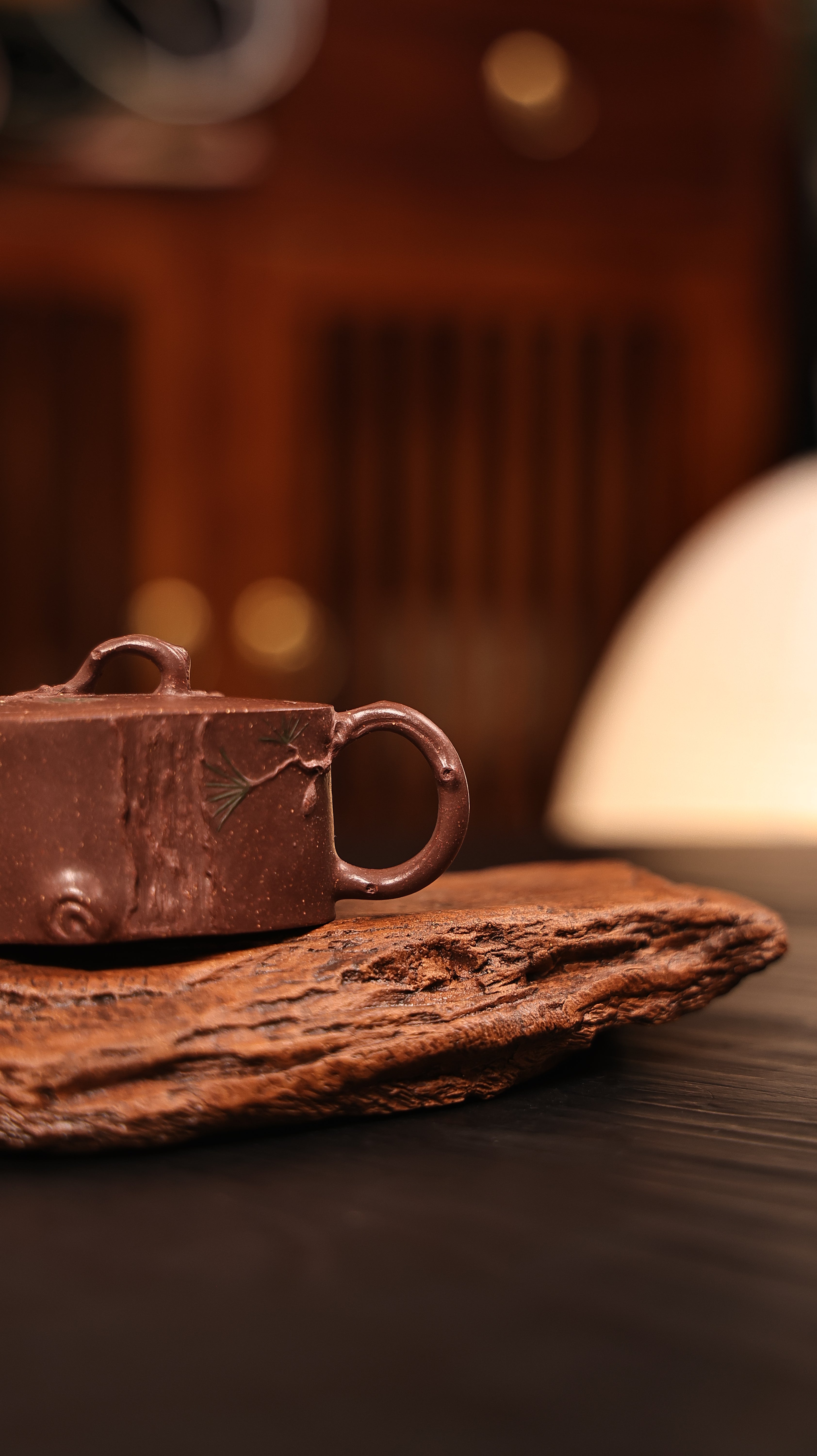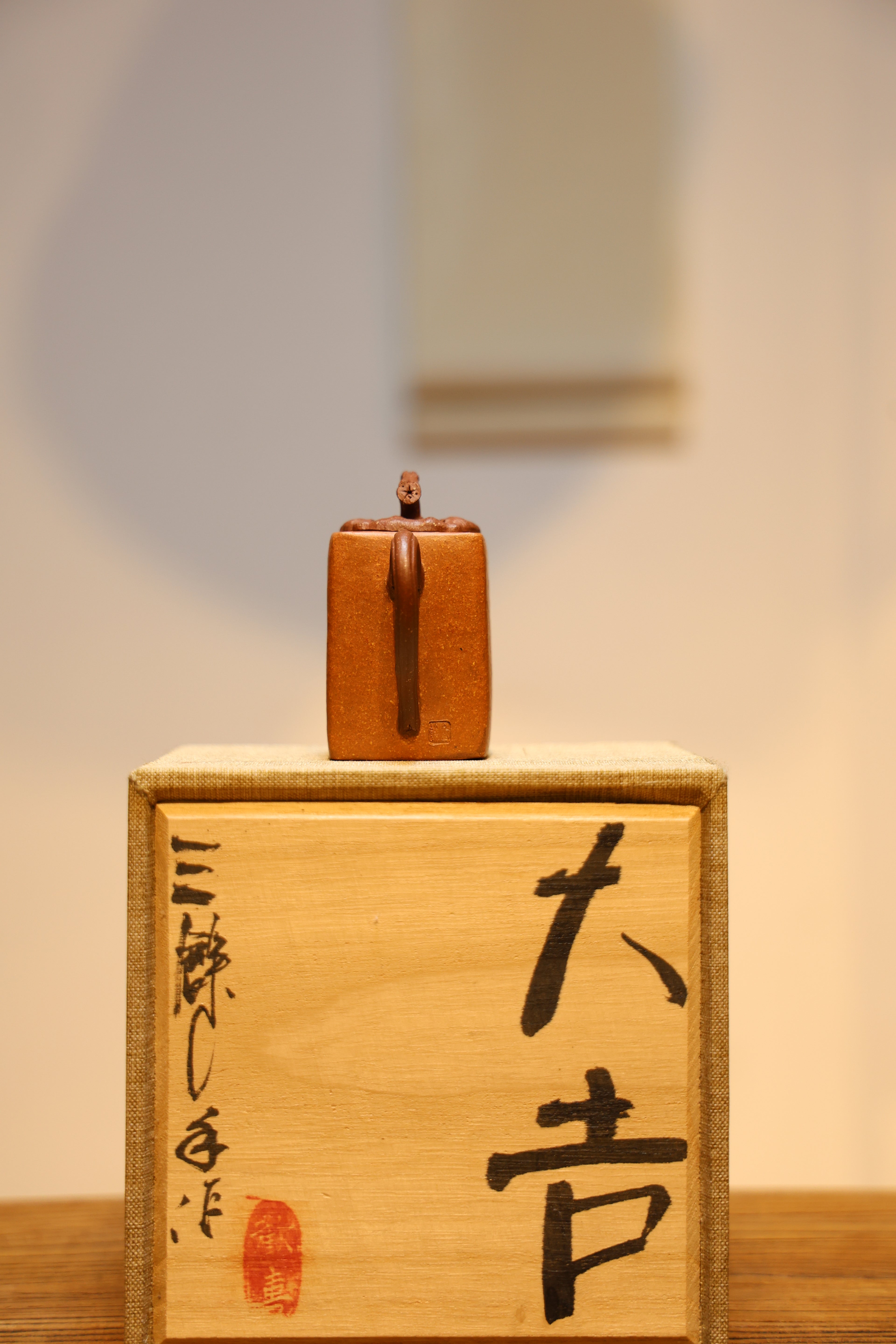
Epochs of connoisseurs have favored the distinctive charm of Yixing Zisha flasks. Existing in the secluded town of Yixing, the homeland, these urns are shaped from a unique and extracted purple clay noted for its premium thermal characteristics and aptitude to boost the flavor of potions. Outside of their operative merit, Zisha teapots manifest a solid heritage tradition, designating them notably cherished and a genuine wonder for any ardent teapot lover.
Surveying Yixing Containers
Such teapots highlight a singular combination of history and seasoned craftsmanship. Hailing in Yixing, Jiangsu Area of China, their narrative commences in the Ming Dynasty, although traces suggest earlier manifestations. The unparalleled reddish-brown clay, called Zisha, found merely in the Yixing region, is the integral component, contributing to the pots' superior heat conservation and the manner they impact the character of tea. Periods of potters have mastered techniques—often handed over through families—including designing the clay, applying ornate embellishments, and firing the pots at deliberate temperatures.- Originally, Yixing teapots were often trimmed with simple designs.
- Afterwards, more ornate carvings and representative motifs became trendy.
- The thermal curing itself is a critical element, requiring prolonged intervals of experience.
Amassing Zisha Teapots: Essential Insights
Embarking on a pursuit to assemble Zisha earthenware can be enjoyable, but it’s imperative to grasp what to seek. Authenticity is principal; focus on the material’s natural tinge, a delicate reddish-brown is characteristic. Examine the consistency; genuine Zisha has a distinctive tactile sensation, often explained as slightly rugged. The design should be attractive and consistent with conventional styles, while maker’s marks, if present, require diligent examination for accuracy. Don’t hesitate to consult with seasoned specialists or credible materials – their insight is precious.
Ancient Pitchers: Researching the Tradition of the Yixing Purple Earth
Generations have seen Yixing Violet Clay teapots keep a exceptional role in Chinese culture. These masterfully created pots, sourced only from the zone of Yixing, are famous for their unique hue, consistency, and their ability to boost the essence of extracts. A multitude of collectors strive for antique Yixing teapots, estimating them Chinese Teapot considerably not only for their aesthetic grace, but also for the heritage they express.
Yixing Zisha Teapots: Exceptional Ultimate Forms and Their Properties
Purple Earthenware teapots, established in the authentic territory of Yixing, the Chinese territory, are famed for their unique clay and outstanding brewing skills. Amid the multiple Zisha types, specific categories that are highly prized include Qingtian. Binzhou, known for its strong purple shade and velvety texture, delivers a soft flavor. The Duan Ni type, recognizable by its reddish color and partially grainy feel, is assumed to enhance the weight. Lastly, Zhuni class boasts an unique ruby tone and can lend a nice nuance. Each sort delivers a distinct experience, affording them exceptionally desirable among liquid enthusiasts.
Refining One’s Yixing Jar
To discover the full potential of your Yixing urn, mastering the correct approach is fundamental. These clay teapots, celebrated for their porosity, will successively incorporate the essence of the tea you infuse within them. Begin by washing the urn thoroughly with clean water. Then, use only select natural leaf tea, as lower quality options can damage the item’s delicate character. Always give the leaves to unfurl completely, and remember that with each serving, your Yixing pot will become perpetually special.
Securing Your Priceless Zisha Keepsake
Proper handling for your Zisha jar is necessary to conserving its longevity and price. Zisha clay, recognized for its unique cast and composition, requires mindful handling. Never use abrasive chemicals, as these can undermine the glaze. After every employing, rinse the teapot with moderate temperature water and allow it to cool off completely.
- Do not soaking the pitcher for extended periods.
- From time to time use a soft polishing cloth to clean the exterior.
- Reflect on applying a thin layer of food-grade balm inside the vessel after drying, which can curb staining.
A Beginner's Guide to Yixing Containers
Yixing kettles, originating from the Yixing region in Jiangsu Province, within China, are celebrated for their distinctive aspects. Crafted from the unique purple earth known as Zisha, these kettles are prized by potion enthusiasts worldwide. This summary will simply explain the principles – covering forms of Zisha composite, prevailing shapes, and important care recommendations. Understanding the tradition of Yixing kettles can expand your appreciation for this classic example of Asian artistry.
Mastery of Oriental Pitchers: Presenting Zisha from Yixing City
Zisha ware from the Yixing area represents the summit of Han kettle design, undergoing a exceptional concoction of genuine beauty and hands-on artistry. These extraordinary pieces are renowned for their rich color palettes, often spanning dark purples and rust hues to subtle greys and delicate beiges. The specific mineral composition of the local Zisha soil imparts a characteristic texture and renders a gratifying aroma that amplifies the full potion experience, resulting in them strongly coveted collectibles and critical components of any serious infusion.