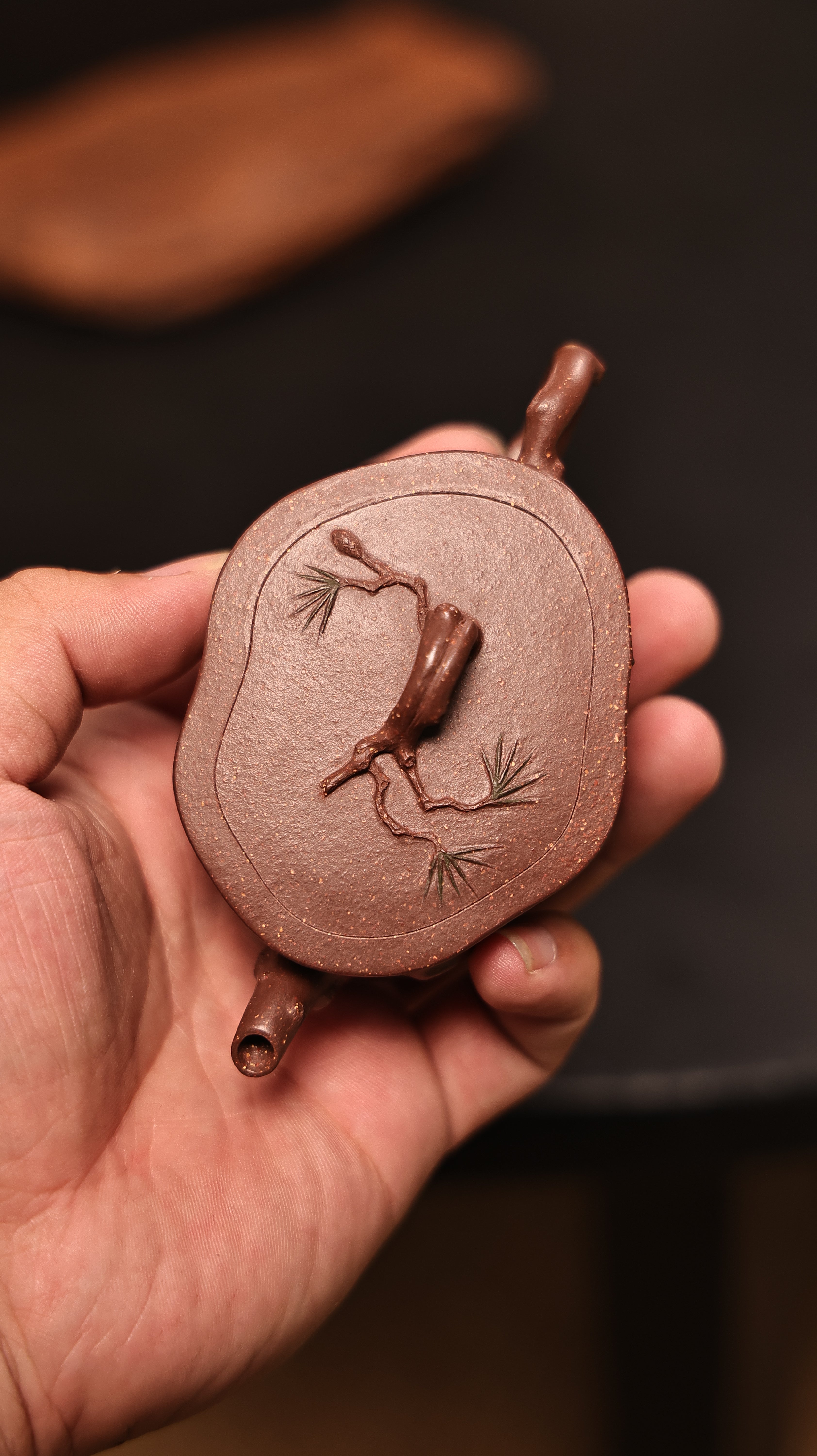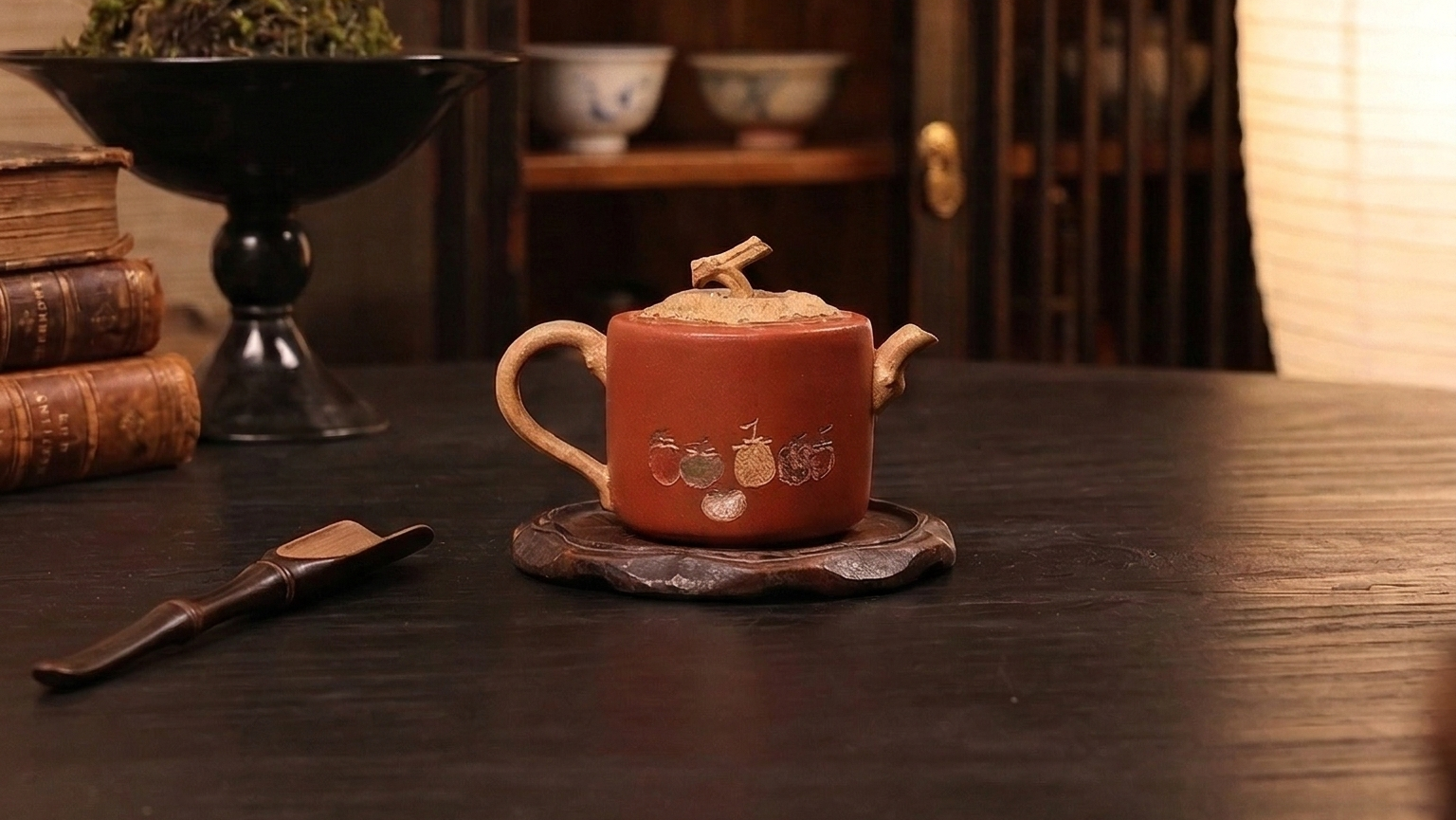
Millennia of devotees have craved the particular magnetism of Yixing Zisha flasks. Born in the tranquil town of Yixing, China, these amphorae are created from a singular and recovered purple clay recognized for its extraordinary thermal attributes and capacity to enhance the richness of extracts. Outside of their effective worth, Zisha teapots represent a lasting social foundation, turning them extremely treasured and a veritable masterpiece for any passionate teapot enthusiast.
Uncovering Yixing Ware
Classic teapots demonstrate a singular mixture of history and craftsman craftsmanship. Developing in Yixing, Jiangsu Zone of China, their narrative goes back the Ming Dynasty, although evidence suggest earlier instances. The special burgundy clay, called Zisha, found particularly in the Yixing region, is the essential component, contributing to the pots' impressive heat holding and the manner they impact the character of tea. Lineages of potters have polished techniques—often bestowed through families—including shaping the clay, applying decorative embellishments, and firing the pots at specific temperatures.- Earlier, Yixing teapots were often embellished with simple designs.
- Later, more advanced carvings and pictorial motifs became prevalent.
- The heat treatment itself is a fundamental element, requiring lengthy phases of skill.
Acquiring Zisha Teapots: Necessary Considerations
Launching a quest to obtain Zisha pitchers can be satisfying, but it’s fundamental to know what to seek. Authenticity is principal; focus on the substance’s natural hue, a soft reddish-brown is traditional. Examine the feel; genuine Zisha has a special tactile sensation, often noted as slightly textured. The contour should be symmetrical and consistent with historical styles, while inscriptions, if present, require painstaking examination for validity. Don’t resist to consult with savvy specialists or reputable contacts – their guidance is invaluable.
A Containers: Researching the Heritage of this Yixing Clay
Eons have seen Yixing Zisha teapots hold a important role in Chinese legacy. These beautifully crafted pots, sourced uniquely from the district of Yixing, are acclaimed for their characteristic complexion, texture, and their ability to enhance the taste of beverages. A multitude of collectors strive for antique Yixing teapots, admiring them significantly not only for their aesthetic magnificence, but also for the history they represent.
Yixing Zisha Teapots: Unique Foremost Classes and Their Properties
Zisha Ware teapots, rooted in the genuine zone of Yixing, the realm, are esteemed for their exceptional clay and remarkable brewing powers. Amongst the several Zisha types, the varieties that are highly treasured include Qingtian. Binzhou, known for its strong purple shade and silky texture, delivers a delicate flavor. Duan Ni subclass, recognizable by its rusty color and a bit grainy feel, is believed to enhance a richness. Lastly, Zhuni faction boasts an scarce crimson tone and can impart a savory nuance. Each class delivers a special experience, affording them exceptionally desirable towards liquid enthusiasts.
Achieving Personal Earthenware Pitcher
To access the capability of your Yixing container, comprehending the correct way is indispensable. These clay earthenware, celebrated for their filtering ability, will continually retain the heart of the tea you prepare within them. Begin by washing the teapot thoroughly with steaming water. Then, use only excellent unpacked leaf tea, as lower quality options can weaken the teapot’s delicate essence. Always let the leaves to extend completely, and remember that with each application, your Yixing container will become ever refined.
Conserving Your Invaluable Zisha Artifact
Proper management for your Zisha pitcher is vital to preserving its durability and significance. Zisha clay, celebrated for its unique nuance and grain, requires delicate handling. Never use corrosive cleaners, as these can wreck the glaze. After every utilization, rinse Zisha Teapot the pot with room temperature water and allow it to dry completely.
- Decline soaking the teapot for extended durations.
- At intervals use a soft fabric to maintain the exterior.
- Explore applying a thin layer of food-grade grease inside the teapot after drying, which can curb staining.
Overview of Yixing Teapots
Yixing brew vessels, originating from the Yixing zone in Jiangsu Province, of China, are celebrated for their distinctive traits. Shaped from the unique purple compound known as Zisha, these vessels are prized by drink enthusiasts worldwide. This handbook will neatly explain the basics – covering varieties of Zisha soil, well-liked shapes, and critical care pointers. Understanding the genesis of Yixing clay pots can deepen your appreciation for this time-honored example of Far Eastern craftsmanship.
Technique of Eastern Kettles: Examining Zisha native to Yixing locality
Zisha substance from Yixing locality represents the culmination of Oriental kettle design, exhibiting a exclusive fusion of organic beauty and practical artistry. These extraordinary pieces are honored for their dynamic complexions, often varying from rich purples and brown hues to faint greys and faint beiges. The distinctive mineral composition of the area’s Zisha soil imparts a unique texture and offers a satisfying aroma that richens the aggregate infusion experience, making them notably valued collectibles and vital components of any serious custom.