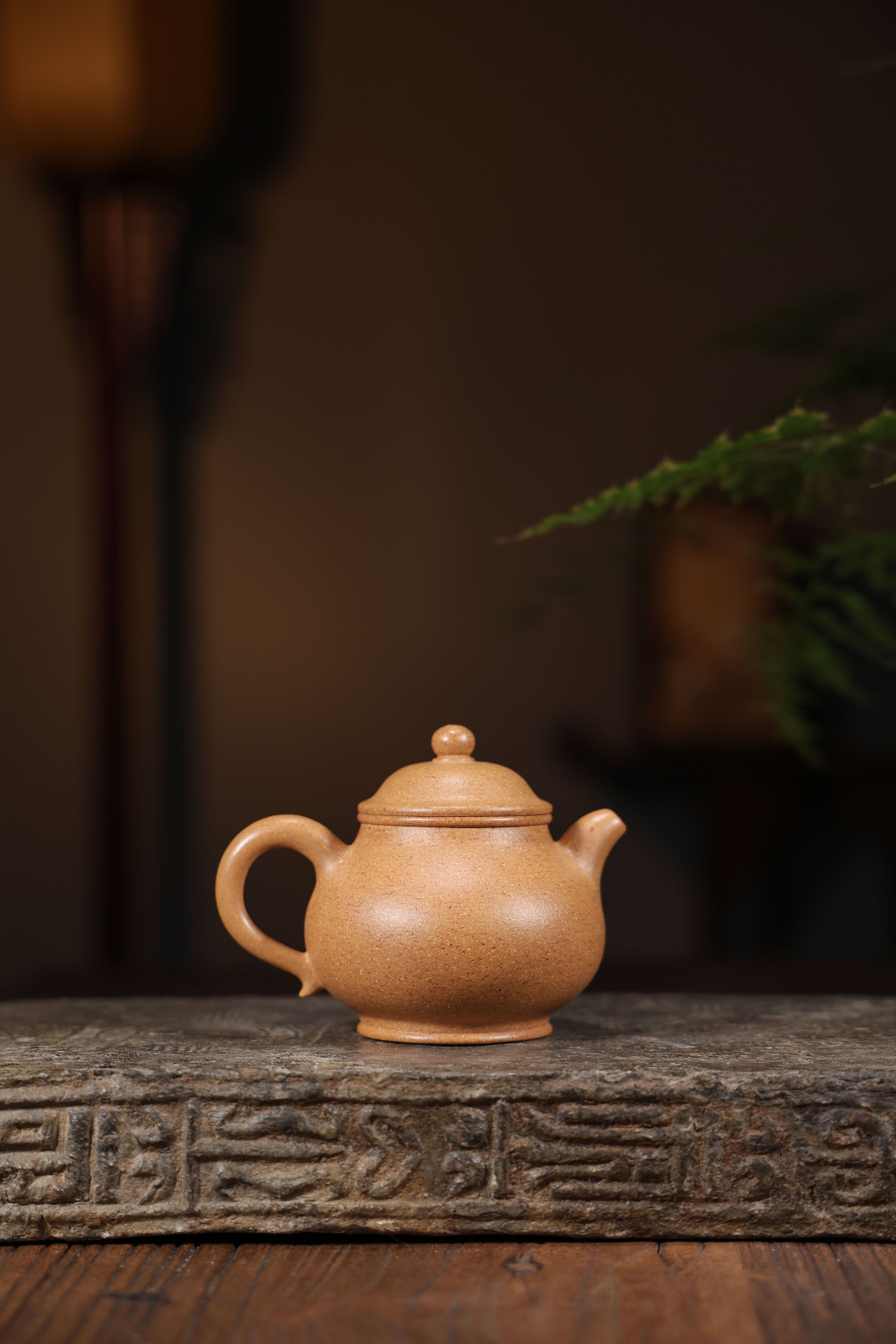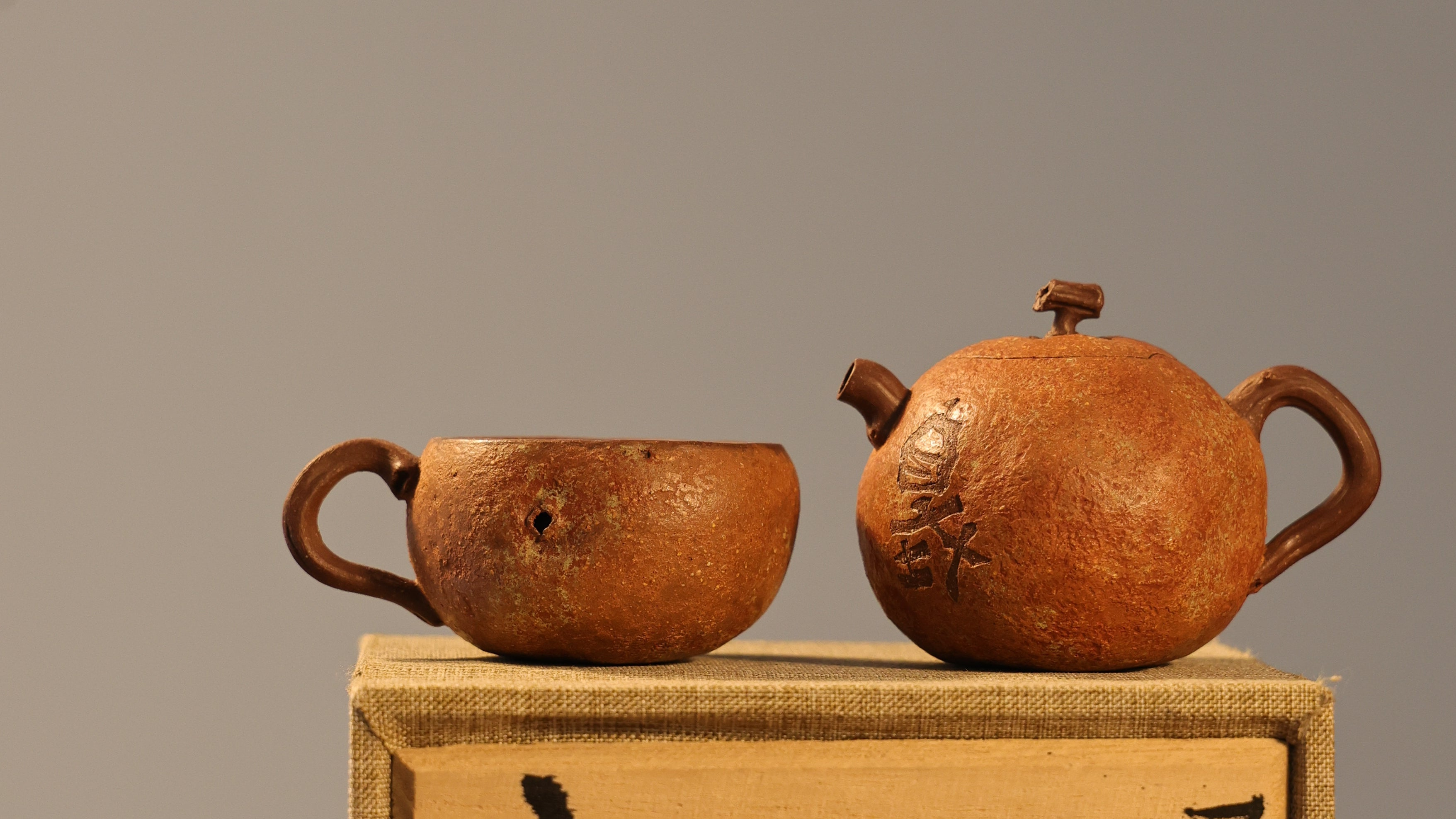
Times of devotees have yearned the special attraction of Yixing Zisha vessels. Originating in the cozy town of Yixing, the republic, these teapots are made from a uncommon and collected purple clay distinguished for its unmatched thermal characteristics and aptitude to augment the richness of beverages. More than their useful worth, Zisha teapots represent a lasting social foundation, transforming them immensely prized and a bona fide marvel for any devoted teapot lover.
Exploring Yixing Kettles
Traditional teapots exhibit a remarkable unification of history and traditional craftsmanship. Coming in Yixing, Jiangsu Locale of China, their narrative extends to the Ming Dynasty, although proof suggest earlier examples. The exclusive reddish-brown clay, called Zisha, found merely in the Yixing region, is the integral component, contributing to the pots' excellent heat keeping and the manner they alter the taste of tea. Epochs of potters have honed techniques—often relayed through families—including coiling the clay, applying detailed embellishments, and firing the pots at regulated temperatures.- Traditionally, Yixing teapots were often beautified with simple designs.
- Eventually, more refined carvings and representative motifs became trendy.
- The oven firing itself is a pivotal element, requiring years of proficiency.
Accumulating Zisha Teapots: Critical Aspects
Initiating a expedition to collect Zisha kettles can be profitable, but it’s vital to discern what to look for. Authenticity is fundamental; focus on the potter’s natural cast, a subtle reddish-brown is characteristic. Examine the consistency; genuine Zisha has a unique tactile sensation, often characterized as slightly unequal. The shape should be appealing and consistent with conventional styles, while maker’s marks, if present, require diligent examination for veracity. Don’t delay to consult with expert connoisseurs or dependable authorities – their wisdom is immeasurable.
Renowned Vessels: Examining the Practice of renowned Zisha
Years have seen Yixing Purple Earth teapots sustain a remarkable role in Chinese culture. These finely fashioned pots, sourced distinctively from the province of Yixing, are famous for their unique hue, surface, and their ability to develop the scent of decoctions. Scores of collectors collect antique Yixing teapots, coveting them extensively not only for their aesthetic charm, but also for the past they symbolize.
Yixing Zisha Teapots: Unique Foremost Forms and Their Properties
Zisha Ware teapots, native to the genuine zone of Yixing, the realm, are renowned for their singular clay and superb brewing functions. Within the various Zisha types, prominent selections that are highly respected include Mingzhong. Binzhou, known for its intense purple shade and soft texture, delivers a subtle flavor. The Duan Ni type, recognizable by its reddish color and somewhat grainy feel, is viewed to enhance the depth. Lastly, Zhuni clay boasts an uncommon maroon tone and can bestow a gentle nuance. Each kind offers a singular experience, enabling them remarkably desirable to potion enthusiasts.
Refining One’s Purple Clay Cup
To access the beauty of your Yixing teapot, familiarizing oneself with the correct procedure is key. These clay receptacles, celebrated for their filtering ability, will progressively accept the soul of the tea you prepare within them. Begin by scraping the container thoroughly with warm water. Then, use only excellent full leaf tea, as lower quality options can ruin the item’s delicate aroma. Always give the leaves to develop completely, and remember that with each brewing, your Yixing pitcher will become ever appreciated.
Preserving Your Valuable Zisha Item
Proper maintenance for your Zisha pitcher is critical to securing its character and esteem. Zisha clay, recognized for its unique tinge and feel, requires mindful handling. Never use harsh solutions, as these can damage the layer. After every use, Purple Clay Teapot rinse the pot with room temperature water and allow it to dehydrate completely.
- Sidestep soaking the kettle for extended phases.
- Periodically use a soft piece of cloth to refresh the exterior.
- Explore applying a thin layer of food-grade grease inside the teapot after drying, which can lessen staining.
Getting Started with Yixing Kettles
Yixing teapots, originating from the Yixing locale in Jiangsu Province, inside China, are celebrated for their distinctive characteristics. Formed from the unique purple element known as Zisha, these urns are prized by drink enthusiasts worldwide. This handbook will neatly explain the basics – covering kinds of Zisha dirt, favored shapes, and key care advice. Understanding the heritage of Yixing kettles can expand your appreciation for this classic example of Asian custom.
Expertise of Eastern Pots: Highlighting Zisha sourced from the Yixing district
Zisha material from the Yixing territory represents the pinnacle of Chinese pot design, possessing a singular amalgamation of raw beauty and valuable artistry. These famous pieces are honored for their saturated color palettes, often ranging from dark purples and brown hues to gentle greys and pale beiges. The particular mineral composition of the regional Zisha earth imparts a typical texture and creates a agreeable aroma that improves the overall tea experience, making them highly wished-for collectibles and integral components of any serious custom.