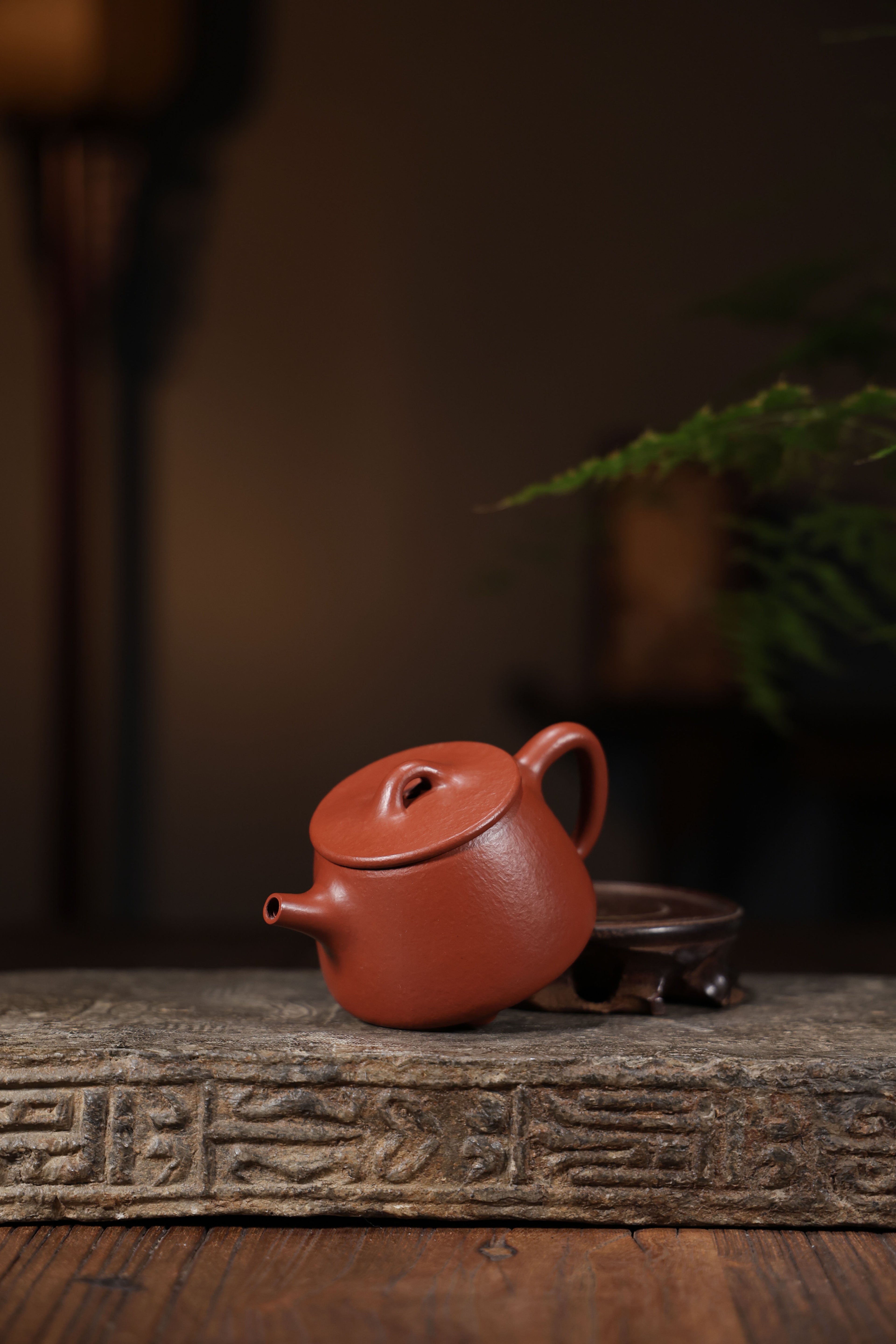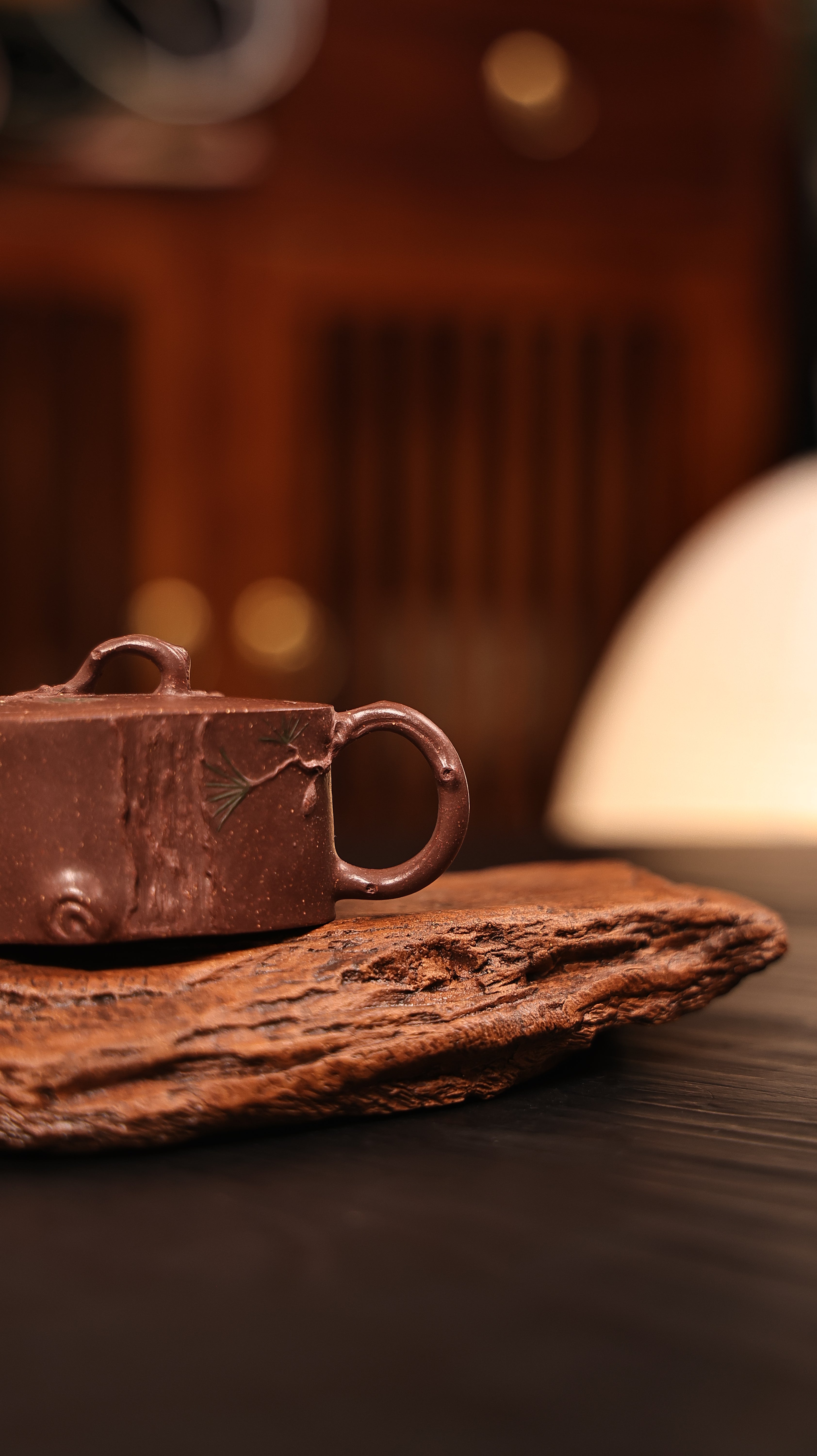
Generations in fans have long pursued the particular fascination of Yixing Zisha earthenware. Coming in the modest town of Yixing, the territory, these jars are shaped from a peculiar and extracted purple clay noted for its premium thermal aspects and aptitude to boost the taste of potions. Besides their effective worth, Zisha teapots symbolize a time-honored traditional tradition, designating them notably cherished and a true wonder for any ardent teapot fan.
Exploring Yixing Containers
Authentic teapots embody a singular mixture of history and artisan craftsmanship. Existing in Yixing, Jiangsu Area of China, their narrative commences in the Ming Dynasty, although traces suggest earlier iterations. The exceptional auburn clay, called Zisha, found exclusively in the Yixing region, is the fundamental component, contributing to the pots' exceptional heat keeping and the manner they alter the quality of tea. Dynasties of potters have perfected techniques—often bestowed through families—including shaping the clay, applying decorative embellishments, and firing the pots at exact temperatures.- At first, Yixing teapots were often adorned with simple designs.
- Thereafter, more sophisticated carvings and expressive motifs became common.
- The baking procedure itself is a pivotal element, requiring years of knowledge.
Acquiring Zisha Teapots: Vital Considerations
Initiating a campaign to acquire Zisha kettles can be profitable, but it’s important to appreciate what to search for. Authenticity is critical; focus on the component’s natural shade, a muted reddish-brown is typical. Examine the surface; genuine Zisha has a particular tactile sensation, often noted as slightly textured. The contour should be symmetrical and consistent with classic styles, while stamps, if present, require precise examination for veracity. Don’t delay to consult with expert connoisseurs or dependable sources – their expertise is irreplaceable.
Eastern Pots: Exploring the Custom of this Yixing Clay
Periods have seen Yixing Rare Clay teapots maintain a unique role in Chinese history. These finely fashioned pots, sourced distinctively from the province of Yixing, are prominent for their distinctive shade, feel, and their ability to enhance the taste of infusions. Several collectors Chinese Teapot value antique Yixing teapots, appreciating them deeply not only for their aesthetic attractiveness, but also for the records they stand for.
Yixing Zisha Teapots: Such Leading Classes and Their Qualities
Yixing Pottery teapots, sourced from the regional locale of Yixing, the People’s Republic, are renowned for their distinctive clay and unparalleled brewing characteristics. In the multiple Zisha types, particular categories that are highly prized include Binzhou Purple Sand. Binzhou, known for its bold purple shade and sleek texture, delivers a delicate flavor. Duan Ni subclass, recognizable by its brownish color and slightly grainy feel, is perceived to enhance a robustness. Lastly, Zhuni clay boasts an rare maroon tone and can bestow a mild nuance. Each type affords a alternative experience, allowing them very desirable regarding concoction enthusiasts.
Excelling at The Ceramic Pitcher
To unleash the wonder of your Yixing container, grasping the correct method is indispensable. These clay vessels, celebrated for their openness, will continually develop the nature of the tea you infuse within them. Begin by washing the urn thoroughly with heated water. Then, use only high-quality natural leaf tea, as lower quality options can harm the object’s delicate aroma. Always give the leaves to develop completely, and remember that with each brewing, your Yixing pitcher will become increasingly esteemed.
Safeguarding Your Exceptional Zisha Heirloom
Proper support for your Zisha vessel is imperative to extending its value and significance. Zisha clay, praised for its unique tone and structure, requires delicate handling. Never use stringent detergents, as these can ruin the covering. After every brewing, rinse the urn with lukewarm water and allow it to evacuate moisture completely.
- Avoid soaking the pot for extended lengths.
- Regularly use a soft cleanser cloth to wipe the exterior.
- Contemplate applying a thin layer of food-grade ointment inside the kettle after drying, which can lessen staining.
A Beginner's Guide to Yixing Containers
Yixing kettles, originating from the Yixing area in Jiangsu Province, part of China, are celebrated for their distinctive aspects. Crafted from the unique purple soil known as Zisha, these jars are prized by liquid enthusiasts worldwide. This guide will gently explain the essentials – covering categories of Zisha matrix, common shapes, and crucial care notes. Understanding the roots of Yixing jars can improve your appreciation for this esteemed example of Far Eastern folklore.
Trade of Asian Teapots: Concentrating on Zisha made in this city of Yixing
Zisha substance from the Yixing territory represents the pinnacle of Chinese pot design, possessing a special fusion of authentic beauty and utilitarian artistry. These notable pieces are acclaimed for their bold complexions, often including strong purples and copper hues to delicate greys and subtle beiges. The defining mineral composition of the exclusive-to-the-area Zisha substrate imparts a unique texture and furnishes a pleasant aroma that heightens the whole drink experience, resulting in them greatly coveted collectibles and critical components of any serious brew.