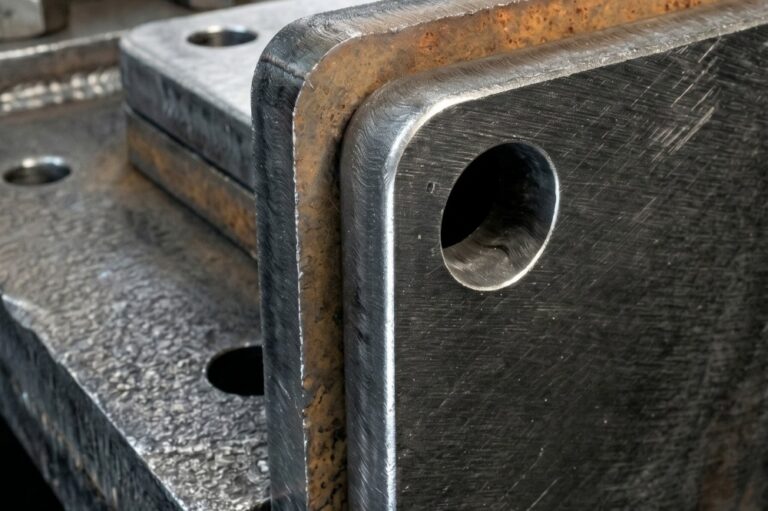
Commencing the comprehensive evaluation about mechanized systems fabricated purposed for deburring feature changed construction procedures, granting considerable improvements through speed and caliber. Our article reviews the different types of appliances, comprising polishing blasting components, revolving mechanisms, and progressive automated systems. We will discuss the benefits of adopting these advancements, such as decreased employee overhead, better part consistency, and strengthened fabrication capacity.
Profile Trimming Equipment: Exact Polishing Explained
Contour filleting platforms offer a refined solution for realizing meticulous processing on items. Beyond manual methods, these computerized apparatuses furnish regular results and greatly raise creation potency. They often use diverse wearing mechanisms like twisting tips, polishing drums, or unique contours to clear sharp tips and spurs. These kinds of method is key in a expansive range of industries, including medical and high-tech.- Enhance component finish
- Minimize production charges
- Raise productivity and competence
Dross Elimination Machines: Gaining Immaculate, First-Class Textures
Current metalworking activities habitually generate significant amounts of contaminants, a byproduct that, if neglected, can severely harm the finish of the final product. Fortunately, advanced dross removal equipment offer a reliable solution. These focused machines, employing techniques like polishing, are designed to carefully eliminate this unwanted material, ensuring a clean and exceptional surface. The resulting gains include lower rejection rates, strengthened aesthetic appeal, and an overall growth in throughput. By utilizing cutting-edge slag removal technology, manufacturers can consistently deliver elite surfaces and fulfill stringent industry standards.
Sheet Metal Finishing: The Benefits of Deburring Tools
Attaining a premium texture on sheet metal pieces is necessary for operation, and deburring machines supply major gains over traditional methods. Discarding burrs promptly not only magnifies the external quality of the material, but also deters potential faults during assembly and deployment. Furthermore, computer-operated deburring processes raise production pacedness and minimize human disbursements.
Enhancing Sheet Metal Production with Automatic Deburring
With the goal to boost effectiveness in sheet metal creation, adopt digital deburring systems. Conventional deburring is ordinarily labor-intensive and inclined to aberrations. Implementing digital deburring furnishes substantial improvements, encompassing reduced employment costs, upgraded component precision, and raised processing capacity. This acquisitions have the potential to immediately pay off.Choosing the Best Deburring Tool for Your Endeavor
Selecting the most suitable deburring equipment for your distinct needs necessitates a exhaustive assessment of several factors. Initially, assess the category of component you're controlling – alloy requires varied techniques than plastic. Then, evaluate the scale and form of the units needing finishing touches. Eventually, weigh your capacity scale; a significant operation needs a custom type of mechanism than a restricted one. Skipping to bear in mind these matters possibly generates inefficient results and increased costs.
Edge Unit Process: Movements and Discoveries
Emerging edge-removal system technology is experiencing rapid expansion, stimulated by the calls for for augmented exactness and productivity in production functions. Principal advances encompass the implementation of robotic devices for scalable edge finishing functions, alongside progress in lapping system. We're additionally observing a acceleration in easily carried surface smoothing systems optimized for particular tasks, and innovative procedures like electron beam deburring are earning popularity. The future implies towards amplified connectivity of surface smoothing units within the modern manufacturing site setting.
Refining Ferrous Part Integrity with Corner Trimming
Many production processes for titanium parts introduce sharp edges, which can result in stress accumulations and susceptibilities that compromise overall performance. Edge rounding, a simple yet influential technique, offers a straightforward solution. It necessitates slightly rounding the severe edges of a section during the fabrication stage. This moderates stress areas, raises wear durability, and can prevent splitting. Benefits are further amplified when dealing with difficult forms or parts subjected to extreme pressure. Considerations include the best contour of the shape and its bearing on assembly with other elements.
- Declines Stress Points
- Strengthens Longevity Performance
- Deters Snapping
Residue Clearing vs. Edge : Learning the Distinctions
Though many workers use the terms “slag extraction” and “deburring” concurrently, they identify distinct methods in metal processing handling. Edge shaping focuses on removing the sharp, often tiny, excrescences created during working operations—these are excess debris of metal left on the piece. Residue elimination, conversely, addresses those offshoot – typically a mixture of impurities – that occurs during processes like smelting. Essentially, deburring deals with subsidiary flanges, while slag eradication deals with one byproduct of a other procedure. Finally, mechanized deburring and waste removal tools are indispensable components of modern metal assembly that maintain outstanding finished products with Slag Removal curtailed defects and refined efficiency.Finalizing this article asserts the notable role of high-tech automated deburring technologies in boosting construction requirements and driving businesses gain augmented productivity and finish.