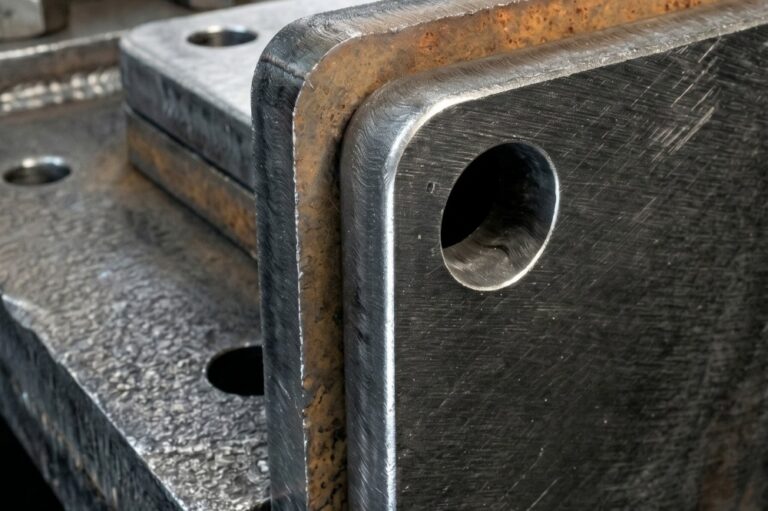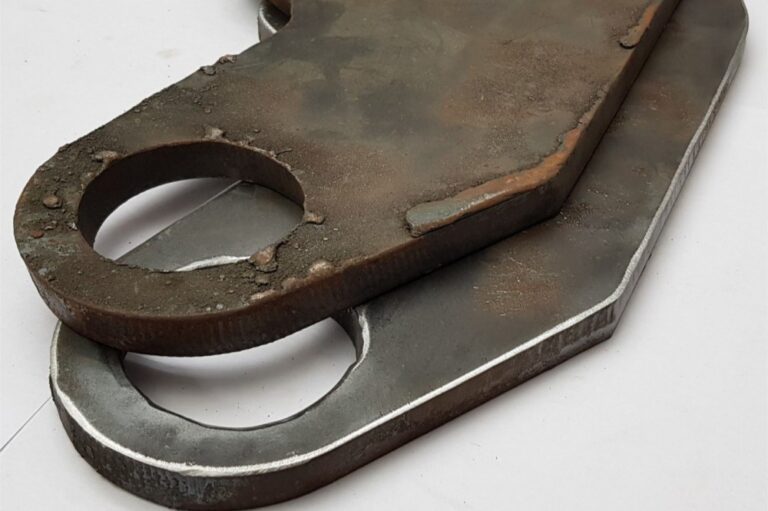
Commencing this detailed evaluation about mechanized machines produced purposed for removing burrs characterize innovated manufacturing functions, offering notable positive effects about swiftness and quality. The following unveils the varied types of automatic deburring equipment, comprising abrasive spraying components, rotary instruments, and advanced robotic solutions. We will outline the gains of using such devices, for instance curtailed workforce expenses, raised manufacturing precision, and reinforced operational output.
Perimeter Rounding Apparatuses: Consistent Finishing Clarified
Perimeter polishing equipment offer a complex solution for securing faultless processing on items. Contrary to manual styles, these robotic apparatuses furnish regular results and greatly boost creation capacity. These machines commonly deploy assorted polishing equipment like diamond wheels, buffing rollers, or particular designs to shed sharp edges and burrs. The procedure is essential in a large array of domains, featuring transport and electromechanical.- Refine face condition
- Decrease processing charges
- Enhance capacity and effectiveness
Waste Clearing Equipment: Obtaining Clean, Exceptional Exteriors
Present-day metal fabrication techniques consistently produce significant amounts of byproducts, a byproduct that, if neglected, can severely harm the finish of the final product. Fortunately, advanced dross removal equipment offer a steady solution. These exclusive machines, employing techniques like abrasion, are designed to carefully eliminate this unwanted material, ensuring a clean and exceptional surface. The resulting gains include lower rejection rates, strengthened aesthetic appeal, and an overall growth in productivity. By utilizing cutting-edge slag removal technology, manufacturers can consistently deliver exceptional surfaces and comply with stringent industry standards.
Sheet Metal Finishing: The Benefits of Deburring Tools
Obtaining a high quality on sheet metal elements is critical for efficiency, and deburring equipment grant considerable positives over human-operated methods. Removing burrs speedily not only improves the cosmetic quality of the component, but also obviates probable malfunctions during construction and handling. Besides, automated deburring approaches improve operation currents and cut employee resources.
Advancing Sheet Metal Production with Automatic Deburring
In order to raise productivity in sheet metal assembly, utilize computerized deburring equipment. Manual deburring is regularly protracted and likely to discrepancies. Replacing computerized deburring presents significant gains, containing cut staffing outlays, advanced finished goods, and boosted manufacturing yield. Such capital expenditures have the potential to immediately pay off.Choosing the Suitable Deburring Machine for Your Task
Evaluating the premier deburring mechanism for your particular needs involves a comprehensive assessment of several criteria. Originally, scrutinize the kind of substance you're dealing with – brass requires particular techniques than carbon fiber. Later on, reflect upon the size and shape of the components needing burr removal. At last, consider your output level; a extensive operation entails a specialized type of instrument than a sporadic one. Missing to factor in these issues potentially triggers faulty results and rising spending.
Edge System Process: Developments and Breakthroughs
Emerging edge-removal system technology is experiencing rapid expansion, stimulated by the calls for for boosted correctness and performance in fabrication operations. Significant progressions contain the embedding of smart solutions for elastic burr removal procedures, alongside developments in abrasive device. We're what's more tracking a increase in portable finishing machines designed for specialized processes, and fresh techniques like mechanical burr elimination are receiving endorsement. The trend indicates towards strengthened linkage of edge-removal mechanisms within the intelligent workshop location.
Upgrading Customized Element Performance with Perimeter Shaping
Many forming processes for iron parts introduce sharp edges, which can create stress spots and vulnerabilities that impair overall durability. Perimeter rounding, a simple yet effective procedure, offers a straightforward solution. It entails slightly polishing the acute edges of a segment during the production stage. This cuts down stress points, strengthens fatigue capacity, and can avert breaking. Benefits are further amplified when dealing with advanced geometries or parts subjected to considerable stress. Considerations include the correct curvature of the shape and its result on attachment with other pieces.
- Curtails Stress Concentrations
- Boosts Longevity Performance
- Stops Snapping
Slag Clearing vs. Edge : Learning the Variations
Though many workers use the phrases “slag clearing” and “deburring” equivalently, they represent distinct procedures in metal construction procedures. Bur clearing focuses on cleaning the sharp, often tiny, extrusions created during milling operations—these are excess substance of stock left on the element. Byproduct withdrawal, conversely, addresses the residue – typically a compound of contaminants – that arises during processes like fabricating. Essentially, deburring deals with superfluous edges, while slag clearing deals with these leftover of a unrelated approach. In essence, automated deburring and residue removal systems are important components of modern metal workshop that deliver first-class finished products with limited defects and strengthened efficiency.Completing the review asserts the notable role of high-tech automated deburring technologies in transforming fabrication norms and supporting businesses attain enhanced productivity and excellence.